How To Create A C++ Library On Mac Osx
Repair library permissions mac. Choose the way that works best for you. How to repair permissions on Mac: The manual wayIf you’re running an older version of macOS, Disk Utility is the go-to tool for troubleshooting problems.Why an older version?Because as of macOS version 10.11 El Capitan, Disk Utility no longer comes with the option 'repair disk permissions'.
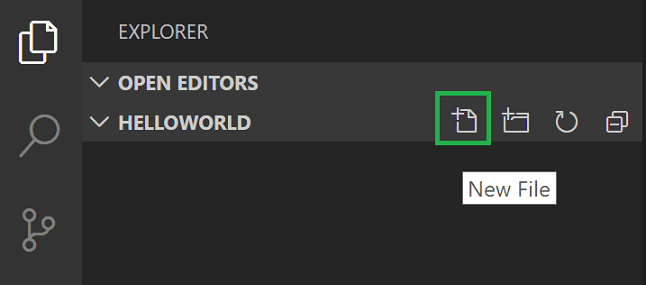
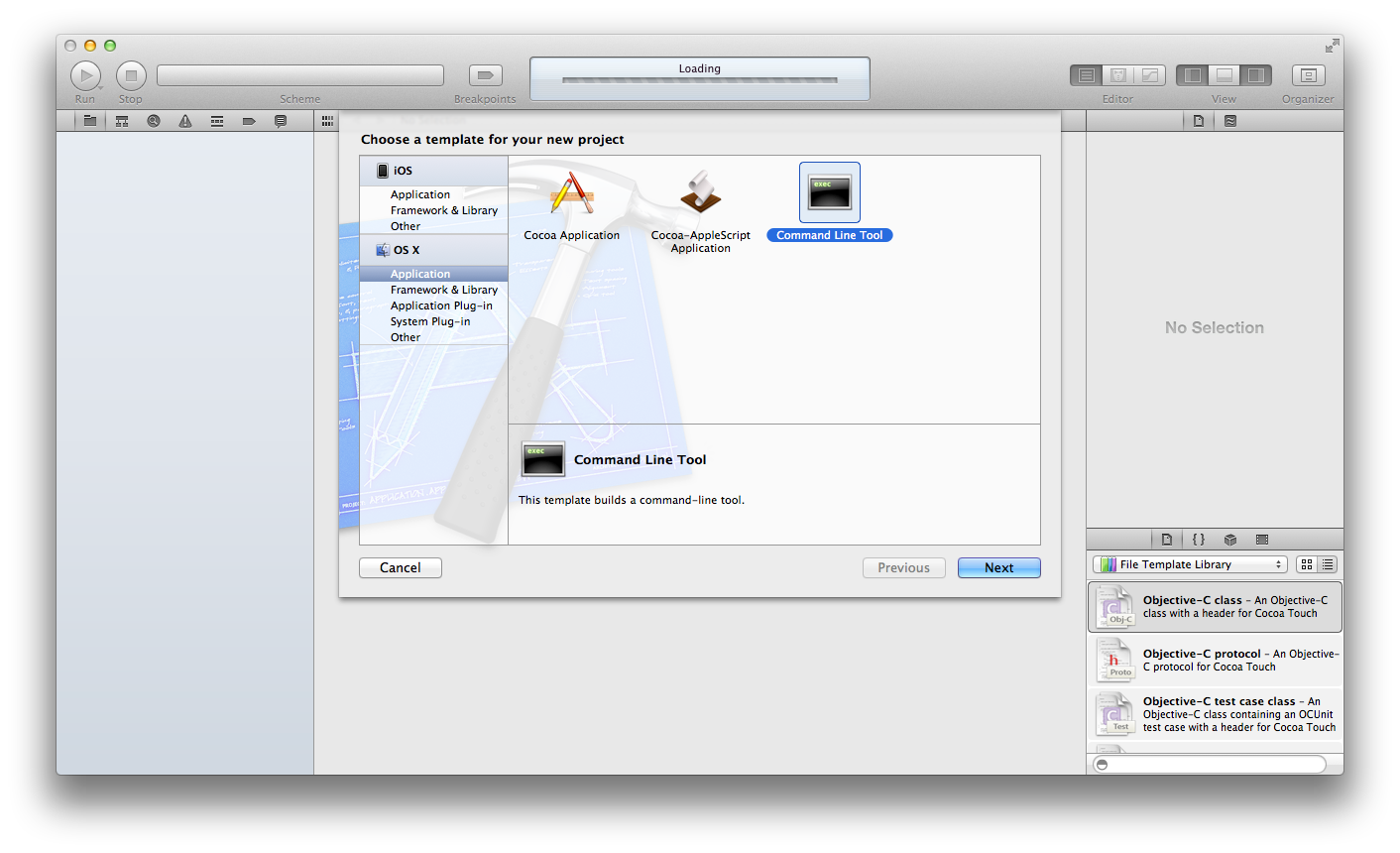
Apr 09, 2014 How to add any library to kontakt on Mac osx Nuno Abelha. Unsubscribe from Nuno Abelha? Things you can make from old, dead laptops - Duration: 19:03. Aug 14, 2015 Jesus Vigo reviews Packages, the installer repackaging application for OS X. Use it to package anything from single apps to multi-branching installers, customizing them. Dec 13, 2016 How to Unhide and Make Library Folder Visible in macOS Sierra By Mahesh Makvana December 13, 2016 The Library folder for the users on a Mac is always hidden as Apple just doesn’t want you to access it as it thinks you don’t need access to it. Apr 09, 2018 Table A-1 Subdirectories of the Library directory; Subdirectory. Directory contents. Application Support. Contains all app-specific data and support files. These are the files that your app creates and manages on behalf of the user and can include files that contain user data. Next, you'll create a tasks.json file to tell VS Code how to build (compile) the program. This task will invoke the Clang C compiler to create an executable file from the source code. It's important to have helloworld.cpp open in the editor because the next step uses the active file in the editor as context to create the build task in the. Sep 05, 2013 Create C Program with Dynamic Library using Xcode in Mac OS X. On the template page, select Framework & Libraries C/C Library. On the options page, enter the name of static library. In my case, it is mydymath.
Building on Linux
Prerequisites
All requisites should be available for your distribution. The most important are:
- The basic program build tools. On Ubuntu and Debian these are available in the meta-package build-essential. On other distributions, you may need to install the GNU C++ compiler separately. The package is going to have c++ or g++ in its name. If you can't find the equivalent of build-essential meta-package for your distribution, be sure to install the 'make' utility as well.
- CMake, the cross platform build system.
- Qt version 4.4.0 or higher (but Qt version 5.x won't work). If you have KDE 4.1 or later installed then you will have the runtime libraries but you may have to install the header files and utilities. These are in the package libqt4-dev on Ubuntu and Debian. Generally, developer packages have the -dev or -devel suffix.
- Several more developer packages:
These are the package names on Debian and Ubuntu, find the similar ones for your distribution. For Fedora, use '-devel' instead of '-dev' as suffix and drop the version numbers.
| Package | Version | Possible Package Names |
|---|---|---|
| libjpeg | any | libjpeg62-dev Fedora: libjpeg-turbo-devel |
| zlib | any | zlib1g-dev |
| libpng | any | libpng12-dev |
| libtiff | any | libtiff4-dev |
| libboost | >= 1.35 | libboost1.40-all-dev boost-libs (if that fails, try: libboost1.55-all-dev) |
| libxrender | any | libxrender-dev libXrender-devel |
Configuration
Open a console window and go to the directory that contains the scantailor sources. From there, run the following (notice the dot at the end):
There will be lots of messages from cmake ending with:
- If you have missing dependencies you will get an error message telling you what is missing. You can then search for the missing package and install it.
- If you have a library and header files installed in a non-standard place then cmake will not find them. In that case you can run the interactive program ''ccmake'' which allows you to specify paths to libraries and header files.
Compilation and Installation
Building on Mac OS X
MacPorts
MacPorts has already scantailor as a package(Xcode prerequisites for MacPorts apply)
Building on Mac OS X is very similar to building on Linux but the package names are different and the MacPorts packaging system needs to be installed in order to get the needed packages. Also the nonstandard location that MacPorts installs qmake to needs to be specified.
Prerequisites
- Xcode. Install it either from your Mac OS X install media or better, go download the latest version from http://developer.apple.com/TOOLS/Xcode/
- MacPorts. Choose and install the correct dmg version for your version of Mac OS X from http://www.macports.org/install.php, then open a Terminal window and run:
- Then install the rest of the needed packages with
This installs:
- CMake, the cross platform build system.
- Qt version 4.6.0 beta currently
- Boost version 1.40.0 including libboost
- libxrender
The rest of the needed packages are installed as dependencies of these.
Configuration
Download the scantailor source code package and then upack the source by entering the following in the directory where the source package resides:
Replace the file name above with the name of the version that you have downloaded. Typing the first few letters of the name and typing tab will autocomplete the filename for you.
Then navigate to the directory that contains the scantailor sources. From there, run the following (single line and mind the dot at the end):
There will be lots of messages from cmake ending with
- If you have missing dependencies you will get an error message telling you what is missing. You can then search for the missing package and install it.
- If you have a library and header files installed in a non-standard place then cmake will not find them. In that case you can specify them as above for qmake or run the interactive program ''ccmake'' which allows you to specify paths to libraries and header files.
Compilation and Installation
Downloads
Install Instructions
- Download and unzip to any directory. The unzipped directory structure is shown here:
- The C/C++ headers are contained in include directory.
- The static and dynamic libs are located in the libStatic and libDyn directories.
- Universal libs may be created by running the makeUniversalLibs.sh script. (Make sure this script has execute permission first 'chmod a+x makeUniversalLibs.sh') The contents of this shell script are shown here:
- This download is both the trial and full version.
Chilkat libraries are fully functional for 30-day evaluations. - Release Notes are available on the Chilkat blog.
- See also: Chilkat Reference Documentation
- See also: Chilkat Sample Code
- See also: Chilkat Blog
How to Distribute a dylib with your Application
(This information is general and applies to any dylib on Mac OS X.) On Mac OS X, a dynamic library (dylib) has an 'install name'. The install name is a path baked into the dynamic library that says where to find the library at runtime. When an application is linked against a dylib, the path is saved in the app's binary so that it can find the dylib at runtime.
The install name of a dylib can be viewed by using otool. For example:
How To Create A C++ Library On Mac Osx Mac
This means that unless the DYLD_LIBRARY_PATH environment variable is set to allow the runtime linker find the dylib, the dylib must be placed in the exact location as specified by the install name.
How To Create A C++ Library On Mac Osx Free
However, the install name of a dylib can be changed by using the install_name_tool utility. The @loader_path keyword can be used to make it relative to an install directory.
Chilkat recommends becoming familiar with the install_name_tool command and it's various options. For example, this command changes the install name of libchilkat.dylib to be relative to the location of the binary using it: