How To Get Access To The Library Folder Mac
- How To Get Access To The Library Folder Mac Pro
- How To Get Access To The Library Folder Mac Os
- Mac How To Access Library Folder
- How To Access Library Folder On Mac
- 2020-4-3 For example, many apps put backups in the Library folder and you may want to back up the backup. Or you might be customising your Mac, which will need access to certain library folders. Here is how to get there and not.
- Have you noticed missing “/Library” folder in macOS? Also have below questions? How to show user’s hidden /Library folder in macOS and access Library files? Last Updated on January 30th. My Library folder is missing.
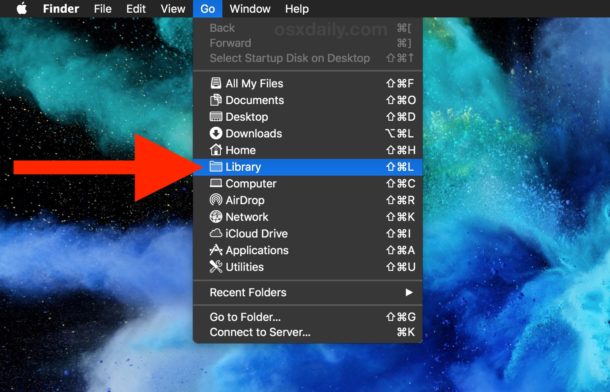
- While many Mac users may never need to access their User Library folder while running macOS Sierra — some advanced users, may need to get in there and access support data and such when troubleshooting. The folder is hidden.
- Ever since Lion (OS X 10.7), Apple has hidden your personal Library folder (/Library) by default. In Lion and Mountain Lion (OS X 10.8), you could make the folder visible, but it required some work.
- It might surprise you to know that there are dozens, sometimes hundreds of private and hidden folders on a Mac. Private folders within the Library are put there to ensure that apps and other programs operate smoothly. In this article, we cover how you access these folders.
How To Get Access To The Library Folder Mac Pro
2008-4-2 If I am correct, and if this is a good idea: is there any way to get Onyx's or Disk Utility's permission corrector to skip over the /Library folder? I have actually changed the permissions on my /Library folder just to see what would happen. Consequently, Time Machine went out. 2012-11-9 Support Communities / Mac OS & System Software / Mac OS. I need to access my user library on Time Machine so that I can restore my Transmit favourites and Little Snapper image database. Drag the little folder at top of finder window and put in into the sidebar at left. Now you can access hidden Library folder anytime and should be there.
Your home folder contains many files and folders that apps on your Mac have permission to read or modify. If you use Get Info or other methods to change those permissions, you could experience issues such as these:
.png)
- Changes that you make in System Preferences aren't saved after you quit System Preferences.
- Changes that you make to the Dock aren't saved after you log out of your user account.
- Windows that were open the last time you logged out or quit an app (before you changed permissions) open again after you log in or open the app.
- You're asked for an administrator name and password when moving certain items in the home folder.
- You repeatedly get a message that macOS needs to repair your Library to run applications.
- When saving changes to an item, you get a message that the file is locked or you don't have permission to save.
- Preview, TextEdit, or other sandboxed apps unexpectedly quit when opened.
- You get an alert that the startup disk has no more space available for application memory.
- Activity Monitor shows that Safari or SafariDAVClient is using a large amount of system resources.
- Your Mac performs slowly.
- iTunes says that your device cannot be synced.
- Photos and videos that you import into Photos or iPhoto don't appear within the app, but do appear in Finder. Or your library needs to be updated or reselected each time you open Photos or iPhoto.
How To Get Access To The Library Folder Mac Os
Reset permissions
If the issue started after changing the permissions of items in your home folder , use these steps to reset permissions.
There are a few ways to transfer your iTunes library from one computer to another: When you get a new Mac, use Setup Assistant (or Migration Assistant, if you’re switching from Windows) to move files—including your iTunes files—from your old computer to the new one. See the Apple Support article Back up and restore your iTunes Library. Transfer itunes library to pc from mac to windows 10. Launch iTunes on your Mac, open its preferences (Edit - Preferences), then click the Advanced tab. Click the Change button next to iTunes Media Folder Location, navigate to the iTunes Media folder. Mar 06, 2019 Transfer iTunes Library from Mac to PC. Open one of your other PC like Windows computer, and download the iTunes,and iMusic as well, launch iMusic, go to it's music icon on the left top corner, and then click the 'Add' icon on the right top corner to add the files from your iTunes file. Part 2: Free Way to Transfer iTunes Library from Mac to PC.
- Turn on or restart your Mac, then immediately press and hold Command (⌘)-R to start up from macOS Recovery.
- You might be prompted to enter a password, such as a firmware password or the password of a user who is an administrator of this Mac. Enter the requested password to continue.
- When you see the macOS Utilities window, choose Utilities > Terminal from the menu bar.
- Type
repairHomePermissionsin the Terminal window, then press Return. The Repair Home app opens. - Select your user account, click Next, then enter your administrator password. Click Next unlock the volume and begin resetting permissions on your home directory.
- When done, click Exit to return to the macOS Utilities window.
- Select Reinstall macOS, then click Continue and follow the onscreen instructions to reinstall macOS.
If the issue persists

Mac How To Access Library Folder
If resetting permissions doesn't resolve the issue:
How To Access Library Folder On Mac
- Make sure that you have a backup of your Mac, then erase your startup disk.
- When done, reinstall macOS.
- After installation completes and your Mac restarts to the setup assistant, create a new user account using a different name than the one you were using before. Any difference in spelling is enough.
- If you made a Time Machine backup, use Migration Assistant to restore all your files from the backup.